
Funeral Flyers: A Thoughtful Guide to Creating and Distributing Memorial Announcements

Funeral Flyers: A Thoughtful Guide to Creating and Distributing Memorial Announcements

Introduction to Funeral Flyers

What Are Funeral Flyers?

Funeral flyers, also known as memorial flyers or celebration of life announcements, are printed or digital handouts designed to honor someone who has passed away. Think of them as a blend of invitation and tribute—something that not only informs others about the funeral service but also provides a touching remembrance of the deceased. They’re more than just a piece of paper; they’re a keepsake for many attendees and an essential part of the grieving and honoring process.

These flyers usually include the person’s name, photo, date of birth and death, funeral service details, and a short message or quote. Sometimes, they also feature personal touches like poems, favorite scriptures, or a timeline of significant life events. The beauty of a funeral flyer is in its ability to tell a story—short, meaningful, and from the heart.

In today’s world, funeral flyers are often shared in both printed and digital formats. They’re handed out during the service, posted on bulletin boards in places of worship, or even sent via email or social media to those who can’t attend in person. Regardless of the medium, the goal is the same: to provide information, offer comfort, and preserve memories.

Purpose and Importance of a Funeral Flyer

A funeral flyer serves multiple purposes, each deeply tied to the emotional and ceremonial needs of the bereaved and the community. First and foremost, it’s an informational tool. It lets people know the time, date, and location of the funeral service, memorial, or celebration of life. Without such a notice, many friends, extended family members, or acquaintances may miss the opportunity to pay their respects.

But beyond the logistics, a funeral flyer offers a space to honor a life. It can summarize a person’s journey, values, accomplishments, and personality in a way that a simple obituary cannot. When thoughtfully crafted, it becomes a memento that mourners can keep as a reminder of the person they loved.

Flyers also help guide attendees during the service. Often, they include the order of service—hymns, eulogies, prayers, and readings—which provides structure and helps everyone follow along. They can also express gratitude by acknowledging those who supported the family or inviting attendees to post-service gatherings like wakes or repasts.

Emotionally, the act of creating a funeral flyer can be therapeutic for the family. Selecting photos, writing messages, and deciding how to present their loved one’s life helps the grieving process. It turns pain into purpose—transforming grief into something that can be shared, understood, and honored.

Whether it’s a simple black-and-white handout or a beautifully designed full-color leaflet, the value of a funeral flyer is far greater than the paper it’s printed on.

Elements of an Effective Funeral Flyer

Basic Information to Include

Crafting a funeral flyer isn’t just about beautiful design—it starts with clarity and accuracy. Including the right information ensures that the flyer serves its core purpose: informing people about the memorial and honoring the deceased. At minimum, a well-made funeral flyer should include:

  • Full Name of the Deceased: Including middle names or nicknames adds a personal touch.
  • Date of Birth and Date of Death: These frame the life journey.
  • Funeral or Memorial Details: Date, time, location, and any special instructions like dress code or requests for flowers/donations.
  • Obituary or Short Biography: A brief paragraph summarizing the person’s life, achievements, personality, and legacy.
  • Photo: Ideally a high-quality, smiling image that reflects their spirit.
  • Quotes, Scriptures, or Poems: These add emotional depth and comfort.
  • Order of Service (Optional): If applicable, include a breakdown of how the ceremony will proceed.
  • Contact Information: A phone number or email in case guests need directions or further info.

Adding personal elements—like hobbies, favorite sayings, or meaningful dates—can make the flyer uniquely representative of your loved one. For instance, if they were a musician, you might include musical notes or lyrics. If they loved gardening, floral backgrounds or leaf motifs would be fitting.

Accuracy is key here. Misspelling names or getting dates wrong can feel like a disservice. Always double-check everything, and if possible, have another family member review the flyer before printing or sharing it digitally.

Emotional Tone and Design Aesthetics

The tone of your funeral flyer should reflect the personality and spirit of the deceased while offering comfort to those grieving. Some families prefer a solemn, traditional tone with soft colors like black, grey, and navy, while others opt for bright, cheerful themes to celebrate a life lived joyfully. There’s no wrong choice—it depends on your loved one’s legacy and the mood you want to set for the service.

Fonts should be readable yet elegant. Serif fonts like Times New Roman or Georgia offer a timeless look, while modern sans-serif options like Helvetica or Open Sans create a clean, contemporary feel. Try to avoid overly decorative fonts that may be hard to read, especially in emotional settings.

Color palettes also play a major role. Neutral tones, soft pastels, or natural greens and blues often evoke a sense of calm and serenity. Bolder colors can be used for celebration-of-life services, especially when the goal is to reflect a vibrant, uplifting spirit.

Keep the layout clean and organized. Use sections or dividers to separate the different parts of the flyer, like the bio, service details, and quote. White space is your friend—it helps keep the flyer from feeling cluttered or overwhelming.

Photos should be sharp, well-lit, and emotionally expressive. Avoid using grainy or poorly cropped images, as they can take away from the beauty of the tribute. If you’re including multiple photos, consider a small collage or timeline format to highlight different life stages.

Ultimately, the flyer’s tone should bring peace, reflection, and warmth to those who read it. A well-crafted design touches the heart as much as the words do.

Types of Funeral Flyers

Traditional Folded Flyers

Traditional folded flyers are often used for formal services held in churches, funeral homes, or temples. Typically printed on standard A4 or letter-sized paper and folded in half, they resemble a booklet. This format allows for more content—making it ideal for including a detailed obituary, order of service, hymn lyrics, prayers, and acknowledgments.

The cover usually features the deceased’s name, photo, and dates of birth and death, along with a title such as “In Loving Memory” or “Celebration of Life.” Inside, each section is neatly organized—starting with a message from the family, then moving to the funeral itinerary.

Folded flyers are great for services with structured programs or multiple speakers. They’re also fitting for memorials with printed content that mourners may want to keep, like personal letters or family tributes. Because they offer more space, folded flyers often serve as keepsakes—something people tuck into a Bible, scrapbook, or drawer for years to come.

Due to their size and content, these flyers are usually printed professionally or on quality cardstock. That adds to their durability and visual appeal, making them feel more like a commemorative booklet than a simple handout.


Retail Space in Prague: The Complete Guide for Investors and Entrepreneurs

Retail Space in Prague: The Complete Guide for Investors and Entrepreneurs

Key Factors to Consider When Leasing Retail Space in Prague

Location and Accessibility

When it comes to leasing retail space in Prague, location isn’t just important—it’s everything. Prague is a city where neighborhood character can change drastically from one block to the next, so understanding the nuances of each area is crucial. High footfall areas like Wenceslas Square, Na Příkopě, and the Old Town guarantee visibility and foot traffic, but they also command premium rents. On the other hand, emerging districts like Karlín and Holešovice offer more affordable rates with growing potential, especially as younger, more creative crowds move in.

Accessibility is another major consideration. Retail spaces near tram stops, metro lines, or main roads will naturally draw more visitors. For example, spaces near Můstek or Náměstí Republiky metro stations are top-tier due to their centrality and ease of access. Retailers should also think about tourist traffic—many visitors flock to Prague’s historical areas, and shops in these zones often cater to both locals and international buyers.

Additionally, parking availability, signage visibility, and street-level access can significantly affect retail success. A great product or service can struggle in an inaccessible location. Hence, it’s critical to balance the location benefits with rental costs and long-term business goals.

H3: Foot Traffic and Demographics

Understanding who’s walking by your storefront is as important as where the store is. Prague’s retail demographics are diverse—locals, expats, students, and tourists all play different roles. For instance, areas near Charles University or Prague University of Economics are great for student-centric businesses like cafés, fast fashion, or budget bookstores.

Tourist-heavy areas, particularly around Prague Castle and Old Town, provide an ever-rotating clientele, but often require premium pricing strategies and multilingual service. Meanwhile, neighborhoods like Vinohrady and Dejvice are popular with expats and higher-income locals, making them ideal for niche markets like organic groceries, boutique clothing, or upscale home décor.

Retailers need to perform on-the-ground analysis—foot traffic counters, observation during different times of the day, and understanding peak hours are all valuable. A quiet street at noon might be buzzing by 5 PM. Also, certain districts have weekly markets or events that can drive short bursts of traffic ideal for pop-up models.

H3: Competition and Market Saturation

Before signing any lease, do your competitive due diligence. Prague has seen a retail boom in recent years, and some segments are more saturated than others. Fashion and general lifestyle stores are abundant in central districts. However, niches like pet supplies, eco-friendly goods, and experience-based retail (like escape rooms or art installations) are still developing.

Use simple tools like Google Maps, local business directories, or even a weekend walk to scope out competitors. If you’re considering a new café, ask: how many others are on this block? What makes them special? Can I offer something they don’t?

It’s also wise to consider what major brands are doing. Areas where large retailers are entering often signal confidence in the market. At the same time, if big names are leaving a neighborhood, investigate why—high rent? Changing demographics? Reduced foot traffic?

In Prague, competition can be both a threat and a guide. Learn from others, but always seek a unique edge.

Legal and Bureaucratic Aspects of Leasing Retail Space

Leasing Process and Contract Terms

Renting a retail space in Prague involves several legal steps and formalities. Typically, leases are offered for 3-5 years, with some flexibility depending on the property owner. A standard lease includes clauses about rent, service charges, maintenance responsibilities, and termination terms.

Foreign entrepreneurs may find Czech lease agreements complex, especially since most are in Czech. It’s advisable to hire a bilingual commercial real estate lawyer to review contracts and ensure there are no hidden clauses—especially regarding early termination, subleasing, or liability for renovations.

Some landlords require a deposit (usually equal to 3 months’ rent), and late payment penalties are common. Be sure to clarify what counts as “usable space,” since you might be charged for areas like hallways or storage rooms.

Zoning Regulations and Licensing

Zoning laws in Prague can significantly impact what kind of retail activities are allowed in a given space. While most central areas are mixed-use, certain retail operations (like food services or night-time entertainment) might need additional permits or inspections. For instance, opening a bakery or café requires sanitation clearance, fire safety inspections, and possibly alcohol licensing if you plan to serve drinks.

Also, be aware of Prague’s historical preservation laws. If your retail space is in a listed building (which is common in central districts), you may face restrictions on signage, window displays, or structural changes. Even repainting the façade can require municipal approval in such zones.

The Czech Trade Licensing Office (Živnostenský úřad) is your go-to institution for business permits. Non-EU citizens may also need a business visa or long-term residence permit tied to their commercial activity. While the process is navigable, delays are common—so start paperwork early.

Cost of Opening and Maintaining Retail Space in Prague

Rent, Utilities, and Service Charges

Retail rent in Prague varies widely depending on the district, type of property, and foot traffic potential. In premium areas like Na Příkopě or Pařížská, rents can range from €150–€300 per square meter per month. Meanwhile, outer districts or less central zones may offer rents as low as €20–€50 per square meter monthly.

Service charges (covering security, building maintenance, cleaning, etc.) typically add an extra 10-20% on top of rent. Utilities—electricity, heating, and water—can also be significant, especially during Prague’s cold winters. Energy-efficient upgrades might be worth negotiating in the lease to lower long-term costs.

Other regular costs include waste removal, business insurance, and potentially security systems or alarm services. If you’re located in a shopping mall, expect higher service charges and specific opening hours you must adhere to.

Budgeting realistically from the start helps avoid surprises. Many first-time business owners underestimate the ongoing costs, especially in Prague where hidden charges and annual rent increases are common.

Cyber Gateway – The Digital Entry Point of the Future

Cyber Gateway – The Digital Entry Point of the Future

Introduction to Cyber Gateway

Cyber‑Gateway (cyber‑gateway.net) positions itself as a datacenter proxy provider offering access to an extensive network with over 64,000 IPv4 proxy servers deployed in real hardware data centers across more than 25 countries and over 50 cities globally, including European hubs like Stockholm, London, Frankfurt, Amsterdam and Asian, American, African, and Oceanian locations. The service emphasizes ultra‑low latency, high stability with 99 % uptime, and control through its intuitive client panel that allows users to monitor usage, manage IPs, and configure authentication settings without needing any third‑party software.
Users receive a static set of IP addresses upon subscribing, which remains unchanged during the subscription period, although a partial IP refresh (10 – 40 %) may occur upon renewal. Cyber‑Gateway promotes itself as ideal for activities such as web scraping, multi‑accounting, price monitoring, SEO, gaming under different regional identities, and accessing restricted content across blocked or geo‑restricted websites.

The company prides itself on owning the hardware infrastructure, with professionally managed servers in its own data centers, which contributes to service reliability and consistent performance. According to their statistics, they process over 80 TB of traffic annually, serve more than 90,000 clients, and have completed over 100,000 orders.

Independent trust assessments, such as one by ScamAdviser, rate the site as “average to good” in trustworthiness. The automated evaluation cites a valid SSL certificate, several years of domain registration, and positive consumer reviews. Still, the traffic rank is relatively low, which may reflect modest visibility rather than unreliability. Users from forums like BlackHatWorld report consistent praise: comments such as “fast and stable proxies,” “outstanding support,” and good value for money underscore positive user sentiment.

There are some disclaimers to bear in mind. Some risk factors include potential latency introduced by proxy routing, legal or ethical concerns depending on use cases (for example, multi‑accounting or scraping might breach policies or regulations), and reliance on the service’s infrastructure if servers go down. While the company claims to provide money‑back guarantees via supported payment methods like Mastercard, and Alipay, such protections are conditional rather than absolute. It’s worth to note that PayPal is not supported now.

In essence, Cyber‑Gateway appears to be a long‑established, infrastructure‑based proxy provider with global reach, a large stable of IPs, and a customer base that values its speed, reliability, and ease of use. Its transparency in terms of uptime and capacity, along with solid third‑party trust ratings and user testimonials, support its credibility. At the same time, any user should evaluate how their intended usage aligns with legal and ethical norms, and proceed with standard caution around automated proxy deployments.

A need for as many as 64,000 IPv4 proxy servers typically arises in highly specialized, large-scale, or automated digital operations where unique IP addresses are essential to avoid detection, prevent rate-limiting, or distribute traffic efficiently. One of the most common scenarios involves web scraping at scale — for example, collecting product pricing, stock availability, or competitor data from thousands of websites across different regions. Websites often impose IP-based restrictions, so rotating through a massive pool of proxies allows for stealthy, uninterrupted data harvesting.

Another use case lies in multi-accounting environments such as social media marketing, affiliate testing, or bulk account creation. Platforms like Facebook, Instagram, or e-commerce marketplaces employ strict IP monitoring and behavioral analysis to block suspicious activity. A large and geographically diverse proxy pool helps simulate unique users from different regions and device types, significantly reducing the risk of bans or account suspensions.

Digital advertising and SEO research can also demand high proxy volume. For instance, ad verification companies or agencies may need to see how campaigns appear to users in different countries or cities. Similarly, rank tracking tools use proxies to retrieve unbiased search engine results without triggering CAPTCHA or regional filtering.

Cybersecurity professionals, penetration testers, and academic researchers also benefit from extensive proxy networks when conducting threat simulations or measuring censorship and accessibility across jurisdictions. In gaming, proxy usage is often aimed at reducing ping, accessing region-locked content, or managing multiple game clients under separate IPs.

In short, having access to 64,000 IPv4 proxies enables industrial-level automation, granular geographic targeting, and a high level of anonymity. Such a scale is particularly vital when the goal is to emulate real-world traffic patterns, bypass defensive mechanisms, or distribute bandwidth-heavy workloads while maintaining operational continuity and stealth.

Link Indexing Service: What It Is, Why It Matters, and How to Use It in 2025

Link Indexing Service: What It Is, Why It Matters, and How to Use It in 2025

In the world of SEO, getting backlinks indexed is just as important as acquiring them. A link indexing service plays a critical role in ensuring that your backlinks are discovered and crawled by search engines like Google. Without proper indexing, even the highest quality links might never contribute to your website’s ranking.

In this article, we’ll explore what link indexing services are, why they matter, how they work, and which indexing strategies are most effective in 2025.

What is a Link Indexing Service?

A link indexing service is a tool or platform that helps get your backlinks discovered, crawled, and indexed by search engines. When you build a new backlink—whether it’s a guest post, PBN link, or web 2.0—there’s no guarantee Google will index it automatically. These services actively speed up that process.

Why Link Indexing is Important

If Google doesn’t index a backlink, it won’t pass any SEO value (link juice) to your website. That means:

  • No benefit to your domain authority
  • No impact on keyword rankings
  • No visibility in search results

Link indexing ensures your link-building investment is effective and measurable.

How Link Indexing Services Work

Most indexing services use several techniques to encourage Google to crawl and index your backlinks:

1. Ping Services

They notify search engines that a new page (your backlink) exists and needs to be crawled.

2. Link Crawlers

Some services use bots that mimic search engine crawlers to simulate traffic and prompt indexing.

3. Social Signal Creation

They create social shares or bookmarks pointing to your backlinks to boost visibility and crawlability.

4. Indexing Queues

Some services maintain high-trust sites or networks where your backlinks are mentioned to encourage Google bots to crawl them.

Types of Link Indexing Services

Here are the most popular types of indexing tools and services:

1. Free Indexing Tools

  • Google Search Console (manual URL submission)
  • Ping-o-Matic
  • Backlink indexer plugins for CMS

2. Paid Indexing Services

  • Indexification
  • OneHourIndexing
  • Speed Links
  • Link Processor
  • Elite Link Indexer

These services often provide bulk URL indexing, daily report updates, and API access.

How to Choose the Best Link Indexing Service

When selecting an indexing service, consider the following:

  • Success rate: Does the service have a proven record of getting pages indexed?
  • Turnaround time: How quickly does it get links indexed (1–3 days vs. 1–2 weeks)?
  • Scalability: Can it handle large quantities (100s to 1000s) of URLs?
  • Compliance: Does it use white-hat or gray-hat methods?
  • Reporting: Do you get clear insights on which links are indexed?

Link Indexing in 2025: Best Practices

Google has become more selective about what it indexes, especially low-quality content. Here’s how to improve your chances of success:

  1. Use unique, high-quality content for your backlinks
    Thin or duplicate content is often ignored by search engines.
  2. Build contextual links
    Links embedded within relevant content are crawled and indexed faster.
  3. Leverage tiered linking
    Point backlinks (Tier 2) at your main backlinks (Tier 1) to push indexing.
  4. Submit through Google Search Console
    Use the “Inspect URL” tool for important URLs.
  5. Avoid overusing automated tools
    Spamming Google with ping requests can get your links devalued.

Are Indexing Services Safe?

Most indexing services operate in a gray-hat zone. While they are not strictly against Google’s policies, aggressive methods (like mass pinging or fake bot visits) may trigger penalties if overused. Use them wisely, especially for PBN links, web 2.0s, and social profiles.

For money site links, it’s best to use natural indexing strategies combined with high-quality content.

Conclusion

A link indexing service is essential if you’re serious about SEO in 2025. Whether you’re building links through guest posts, niche edits, or PBNs, ensuring they are indexed is crucial to your campaign’s success.

Choose a reliable service, focus on high-quality link sources, and monitor indexing status regularly. With the right strategy, your backlinks will count—and your rankings will climb.

Email Verifier Website: What It Is, Why You Need It, and How It Works

Email Verifier Website: What It Is, Why You Need It, and How It Works

In today’s digital world, email remains one of the most powerful tools for communication and marketing. However, the success of your email campaigns largely depends on the quality of your email list. This is where an email verifier website becomes essential. Whether you’re a business owner, a digital marketer, or a freelancer, verifying your emails before sending out campaigns can save you from high bounce rates and damaged reputations.

In this article, we’ll explore what an email verifier website is, why you need one, how it works, and the best tools available in 2025.

What is an Email Verifier Website?

An email verifier website is an online tool that helps check whether an email address is valid and deliverable. These tools analyze email addresses and determine if they are:

  • Real and active
  • Properly formatted
  • From a valid domain
  • Non-temporary or disposable
  • Free of syntax errors and typos

The goal is to remove fake, invalid, or risky email addresses from your list before you send out campaigns.

Why Do You Need an Email Verifier?

Using an email verifier can benefit your business or project in several key ways:

1. Improve Deliverability

Invalid or undeliverable emails increase bounce rates. High bounce rates damage your sender reputation and reduce your chances of reaching inboxes.

2. Protect Your Domain Reputation

Mailing to a poor-quality list can result in your emails being marked as spam. Verifying emails helps maintain your domain’s trust and avoids blacklisting.

3. Save Time and Resources

Sending emails to invalid addresses wastes money and server resources. Verifying your list ensures you’re only contacting potential real users.

4. Boost Engagement Rates

A clean list means your emails are reaching real users who are more likely to open, click, and convert.

How Does an Email Verifier Work?

Most email verifier websites follow a structured multi-step process:

Step 1: Syntax Check

The tool first checks the email’s format to ensure it follows proper email syntax.

Step 2: Domain Validation

It then checks whether the domain in the email address exists and is capable of receiving emails.

Step 3: MX Record Verification

MX (Mail Exchange) records are examined to confirm that the domain has valid mail servers.

Step 4: Mailbox Ping

The tool pings the email address to verify if the mailbox actually exists without sending an email.

Step 5: Blacklist Check

Some verifiers also check whether the domain or IP address is on known spam blacklists.

Types of Emails Verified

An email verifier can detect and sort various types of email addresses, such as:

  • Valid emails: Safe to send emails to.
  • Invalid emails: Do not exist or have issues.
  • Catch-all emails: Domains that accept all emails but don’t guarantee inbox delivery.
  • Role-based emails: Addresses like info@ or support@, which are less personal and often filtered.
  • Disposable emails: Temporary emails used for signups and testing.

Key Features to Look For in an Email Verifier Website

When choosing an email verifier platform, consider the following features:

  • Accuracy: Must have a high verification success rate.
  • Speed: Should verify thousands of emails quickly.
  • Bulk Upload: Ability to upload and verify large email lists.
  • API Access: For developers and integrations.
  • GDPR Compliance: Important if you’re operating in or with clients from the EU.

Best Email Verifier Websites in 2025

Here are some of the top-rated email verifier websites currently used by professionals:

1. NeverBounce

  • Real-time verification
  • High accuracy
  • Integrates with major CRMs

2. ZeroBounce

  • Removes spam traps and abuse emails
  • Offers scoring and blacklist detection

3. Hunter.io

  • Best known for email finding and verification
  • Offers bulk and single-email verification

4. Bouncer

  • GDPR-compliant, with strong API support
  • Known for fast and accurate results

5. EmailListVerify

  • Simple UI
  • Cost-effective for bulk verification

How to Use an Email Verifier Website (Step-by-Step)

  1. Sign Up or Log In on the chosen verifier platform.
  2. Upload Your Email List in .csv or .txt format.
  3. Click Verify to start the process.
  4. Review the Results, which are typically categorized into Valid, Invalid, Disposable, and Risky.
  5. Download the Clean List and use it for your campaigns.

Use Cases for Email Verifiers

  • Email Marketing Agencies: To clean client lists before launching campaigns.
  • SaaS Companies: To improve onboarding and reduce email churn.
  • Freelancers: To ensure outreach campaigns are more effective.
  • E-commerce: To engage real buyers and reduce bounce rates.
  • Newsletters & Blogs: To maintain a healthy subscriber base.

Final Thoughts

Using an email verifier website is a smart investment for anyone serious about email marketing. It ensures better inbox placement, protects your sender reputation, and helps you maintain a clean and healthy list. With tools like NeverBounce, ZeroBounce, and Hunter, it’s never been easier to validate emails in bulk or real-time.

Bitstarz Bonus Code: VIPSPIN25 | Get 25 No Deposit Free Spins (Exclusive)

Bitstarz Bonus Code

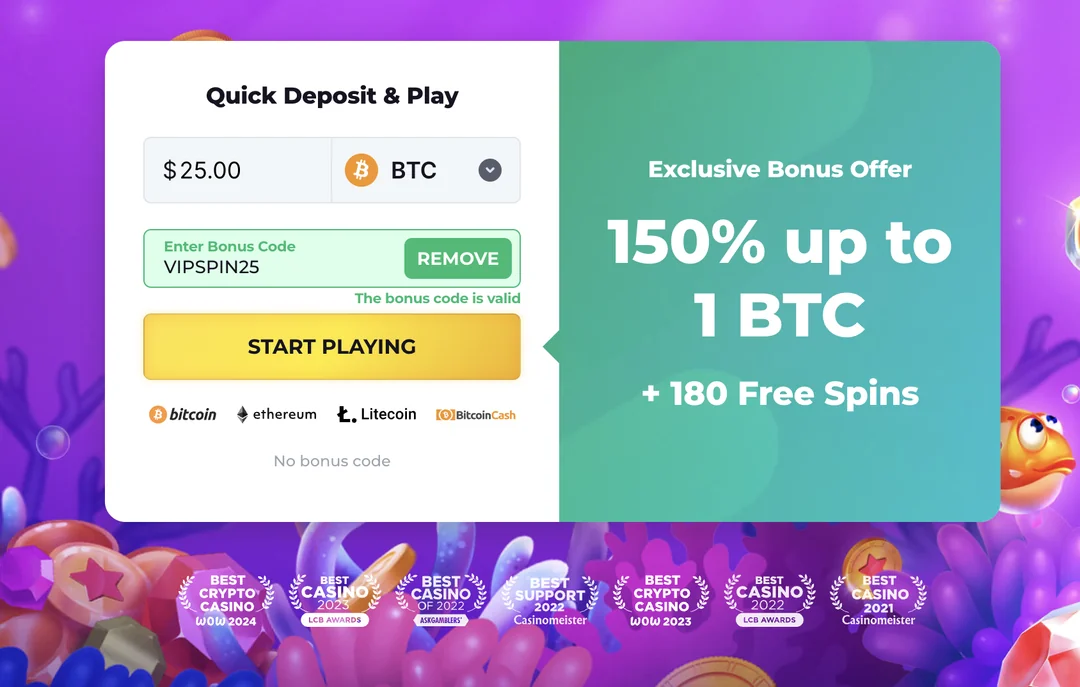
If you’re looking to try your luck at one of the most reputable online crypto casinos without risking your own money, the Bitstarz Bonus Code: VIPSPIN25 is the perfect opportunity. This exclusive offer gives new players 25 no deposit free spins simply for signing up — no payment or deposit required.

In this article, you’ll find everything you need to know about this promotion, including how to claim it, the bonus terms, eligible games, and why Bitstarz remains a leader in the crypto casino industry.

What Is the Bitstarz Bonus Code VIPSPIN25?

Bitstarz Bonus Code: VIPSPIN25 | Get 25 No Deposit Free Spins (Exclusive) is an promotional code from Bitstarz Casino that provides new users with 25 free spins immediately after registering an account. This is a no deposit bonus, meaning you don’t have to spend a single cent to get started.

Quick Summary:

  • Bonus Offer: 25 Free Spins
  • Bonus Code: VIPSPIN25
  • Deposit Required: No
  • Eligible Players: New users only
  • Wagering Requirements: 40x
  • Maximum Cashout: Typically capped (e.g., €100, depending on terms)

This offer is particularly attractive to players who want to try out the casino and its games without committing real money upfront.

How to Claim the VIPSPIN25 Bonus Code

Claiming your 25 free spins with the VIPSPIN25 bonus code is straightforward. Follow these steps:

  1. Visit the official Bitstarz website.
  2. Click the Sign Up or Register button.
  3. Fill out the registration form with your email, username, and password.
  4. Enter the promo code VIPSPIN25 in the designated bonus code field.
  5. Confirm your email address.
  6. Once registered, the 25 free spins will be credited to your account.

You can start spinning right away on the eligible slot game(s).

Which Games Can You Use the 25 Free Spins On?

The free spins are usually limited to specific games, depending on Bitstarz’s current promotional settings. Commonly, the free spins are for:

  • Boomanji
  • Fruit Zen
  • Wolf Treasure
  • Platinum Lightning
  • Or other pre-selected slots from top providers like BGaming or Betsoft

Always check the terms and conditions when signing up to know which game(s) are eligible at the time of your registration.

Bonus Terms and Conditions

Before using your free spins or cashing out any winnings, it’s important to understand the bonus terms:

  • Wagering Requirement: 40x the winnings from free spins
  • Max Withdrawal: Often capped (e.g., €100 or equivalent in crypto)
  • Validity: Free spins typically expire within 24 to 48 hours after activation
  • Eligible Countries: Not all countries qualify; check if your region is eligible before registering

These terms are standard for most no deposit offers, and following them ensures a smooth experience.

Why Choose Bitstarz Casino?

Bitstarz is one of the most respected online casinos in the crypto gambling space. Founded in 2014, it is licensed and regulated by the Government of Curaçao and offers a secure, transparent, and fast gaming environment.

Key Features of Bitstarz:

  • Over 4,000 games, including slots, live casino, and table games
  • Accepts both fiat and cryptocurrencies (BTC, ETH, LTC, etc.)
  • Fast withdrawals, often processed in under 10 minutes
  • 24/7 customer support via live chat
  • Provably fair games and top-notch security

Its reputation, game variety, and fast payout system make Bitstarz an excellent choice for both beginners and experienced players.

Is VIPSPIN25 Legit?

Yes, the VIPSPIN25 bonus code is a legitimate, verified promotional offer from Bitstarz Casino. It’s typically made available through affiliate partners or exclusive campaigns and can be used safely by new players. As long as you follow the instructions and meet the terms, your bonus and potential winnings are yours to enjoy.

Can You Win Real Money With VIPSPIN25?

Absolutely. Although it’s a no deposit bonus, any winnings from your free spins can be converted into real money — provided you meet the 40x wagering requirement and don’t exceed the maximum withdrawal cap.

For example:
If you win €10 from your free spins, you must wager €400 (10 x 40) before you can withdraw. Once wagering is completed, you can cash out up to the max cap as per the bonus rules.

Final Thoughts

The Bitstarz Bonus Code: VIPSPIN25 is a valuable offer for new players who want to experience a premium online casino without spending anything upfront. With 25 free spins, zero deposit required, and access to top-quality games, it’s one of the best no deposit promotions available right now.

If you’re looking for a trusted, crypto-friendly online casino with great promotions, Bitstarz is worth exploring. Just remember to read the bonus terms, play responsibly, and enjoy your spins.

BizOp.org: Empowering Entrepreneurs & Small Business Owners

BizOp.org: Empowering Entrepreneurs & Small Business Owners

What Is BizOp.org?

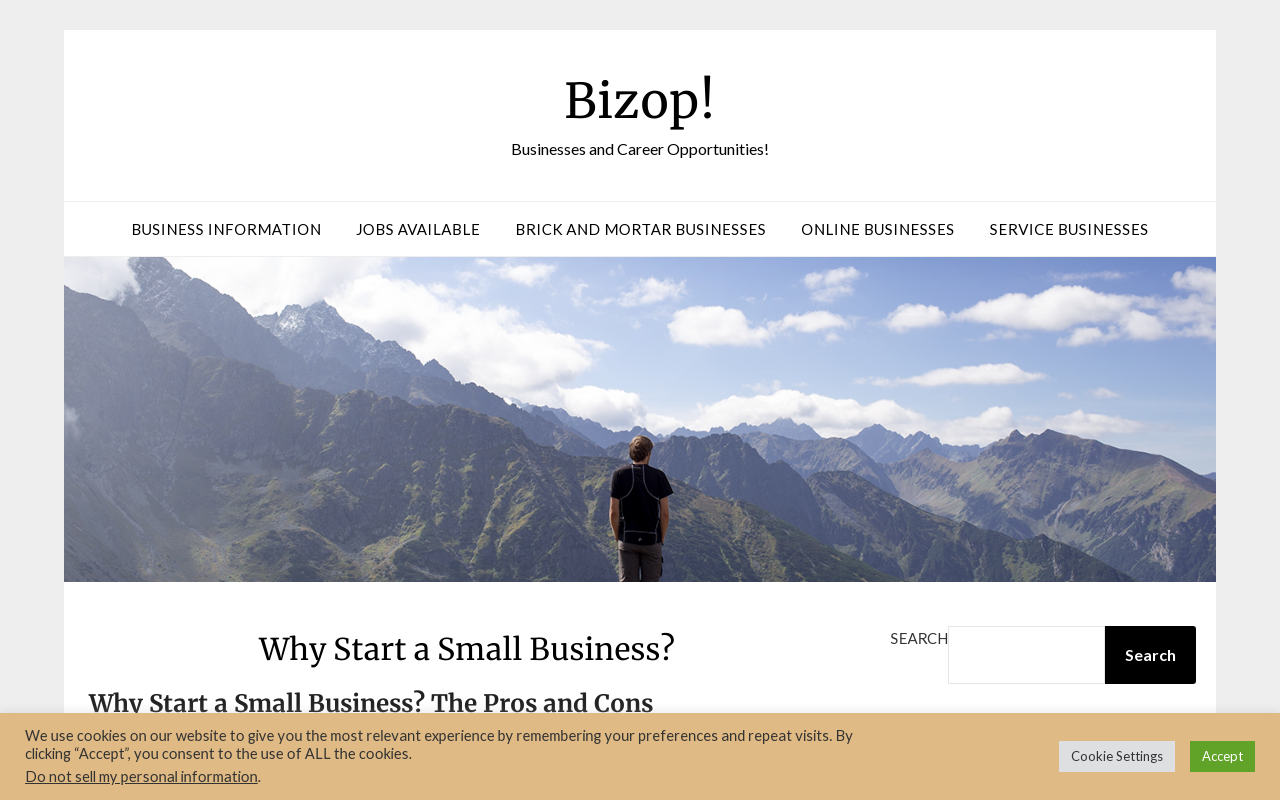
BizOp.org (stylized as Bizop!) is an online platform focused on supporting entrepreneurs and small business owners. It offers a wealth of articles, guides, and resources that help users explore business ideas, launch ventures on a budget, and accelerate growth strategically.

Core Offerings & Content

1. Business Idea Education & Planning

  • Explores pros and cons of starting a small business, emphasizing freedom, creativity, and potential earnings—but also warning about the risk of hard work with low initial pay.
  • Offers planning guidance on business type selection, market research, cost estimation, risk tolerance, and financial planning—including a quick financial readiness checklist.

2. Step‑by‑Step Guides & Practical Instruction

  • Provides detailed, step-by-step how‑to articles such as “Start a Small Business”, “How to Decide to Start a Business”, and “Starting a Business On a Shoestring”.
  • Covers branding, marketing strategies, financing, taxes, and legal structures within a straightforward five-step framework.

3. Financing: Grants, Loans & Alternatives

  • Publishes in-depth tutorials like “How to Get a Startup Business Grant”, walking through grant types, eligibility, application protocols, and tips to improve approval chances.
  • Offers guidance on crowdfunding, angel investment, venture capital, and strategic funding routes for business growth.

4. Specialized Topics & Niche Advice

  • Covers various business models: brick‑and‑mortar ventures, online businesses, and service-based startups across its job and business categories.
  • Provides targeted articles relevant to hiring, local services, side‑hustles, and even labor‑markets.

Why People Value BizOp.org

User Praise & Ratings

  • Claims near-universal satisfaction on Reviews.io: 100% of 57 reviewers recommend BizOp.org, praising email marketing, analytics, HR, funding insights, supply-chain strategy, and sustainability guides.
  • Holds a solid 4.0 Trustpilot score, based on user reviews in 2021–2025. Reviewers highlight its clarity, accessibility, and inspirational content for new entrepreneurs .

Highlights from Readers

“The email marketing strategies on bizop.org have revamped our approach to digital communication.… we’ve seen a significant increase in our open and conversion rates.”
“Their comprehensive analysis of franchise opportunities and legal considerations has been essential in my decision‑making process.”

Audience & Ideal Use Cases

Who Stands to Benefit?

  • Aspiring entrepreneurs exploring startup ideas and seeking clarity on business viability.
  • Bootstrapping business owners looking for budget-conscious ways to launch and grow.
  • Small business professionals requiring straightforward guidance in funding, marketing, HR, and operations.
  • Global entrepreneurs, especially in developing markets, who need practical, low-cost, actionable advice.

Strengths & Limitations

Strengths

  • Highly practical content: actionable checklists, real-world examples, and accessible language.
  • Comprehensive scope, from legal frameworks and marketing to launching with minimal capital.
  • Trusted underpinnings, with multiple user testimonials and external citations of value.

Limitations

  • Some content dates back several years (2–4 years ago), so readers should verify time‑sensitive data like legal or fiscal policies.
  • The site appears primarily U.S.-oriented; users should adapt advice to local standards or regulations.

Conclusion

BizOp.org is a robust, user-friendly platform for anyone starting or growing a small business—especially if you’re looking for real-world guidance without jargon or fluff. From deciding whether entrepreneurship is right for you, to applying for grants and scaling smartly, it combines clarity with credibility.

If you’re targeting a non‑U.S. audience or need the freshest regulations and markets, supplement BizOp’s insights with region‑specific research. Otherwise, its guides, strategies, and success stories make it a strong stepping stone on your entrepreneurial journey.